Complete Guide to Imported Engine Parts: Key Factors to Consider Before Purchasing
When exploring the world of foreign engine components, a number of elements require thoughtful evaluation. Quality, compatibility, and cost play essential roles in ensuring peak automotive performance. It is important to identify the signs of quality and to ensure that parts align with specific vehicle demands. Moreover, partnering with trustworthy vendors can substantially affect the entire process. Grasping these factors will assist in reaching well-informed choices, however many still neglect important specifics that can influence their acquisitions.
Why Imported Engine Components Are Essential
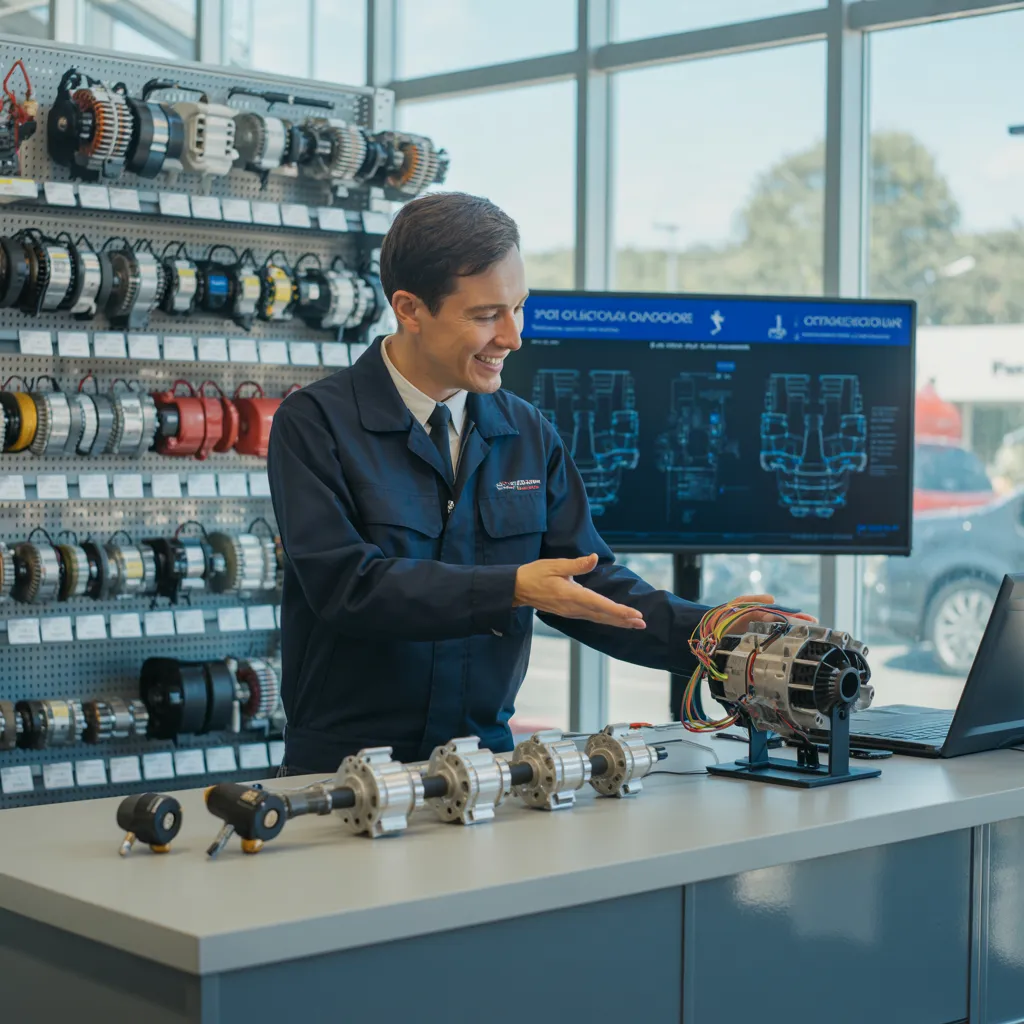
Imported engine parts matter significantly in the vehicle manufacturing sector, as they often provide exceptional quality and superior performance when measured against domestic alternatives. Companies from countries well known for their engineering precision, such as renowned nations like Germany and Japan, produce components that frequently incorporate sophisticated technologies and high-grade materials. These imported parts can enhance vehicular reliability, operational efficiency, and overall performance, making them a compelling selection for both vehicle manufacturers and end consumers.
Furthermore, the global market stimulates competition, propelling innovation and ensuring pricing remains balanced. As a result, mechanics and technicians frequently pursue imported elements to verify their vehicles achieve or surpass industry standards. Beyond this, the availability of a varied range of imported engine parts enables mechanics and enthusiasts to tailor vehicles to their preferences, improving both performance and visual appeal. Ultimately, the integration of imported engine parts makes a meaningful contribution in the continuous evolution of the automotive sector, contributing to a more active and forward-moving landscape.
Assessing Quality: Essential Indicators in Engine Components
When assessing the standard of engine components, multiple important criteria are necessary for sound decision-making. evidence To begin, materials play a critical role; premium components frequently incorporate resilient metals or sophisticated composites engineered to withstand wear and corrosion. Next, manufacturing processes should be scrutinized; precision engineering and adherence to industry standards can indicate superior quality. Furthermore, a company's standing and official certifications offer valuable perspective on dependability and performance. Companies with a history of excellence are often more trustworthy.
In addition, rigorous quality assurance and testing procedures are essential; parts that go through strict quality checks are less prone to failure. Finally, warranty offerings can reflect confidence in the product's durability. A comprehensive grasp of these criteria allows customers to differentiate premium engine parts from low-quality choices, guaranteeing improved function and durability for their automobiles.
Guaranteeing Compatibility of Imported Components
Verifying the compatibility of engine components is critical for optimal vehicle performance, as poorly matched components may cause inefficiencies and high repair costs. When evaluating imported components, referencing the vehicle's specifications and manufacturers' guidelines is essential. Every engine carries distinct requirements, such as size, fit, and functionality, that must correspond with the imported part.
In addition, cross-referencing part numbers can assist in confirming compatibility, as numerous manufacturers keep databases for this purpose. Recognizing the parts' origin is equally important; separate regions may have differing standards and specifications.
Consulting with experts or mechanics familiar with the specific engine type can provide valuable insights, while customer feedback may offer practical experiences regarding fitment. In the end, detailed investigation and meticulous assessment of each aspect will support sound decision-making, making certain that the acquired parts will function harmoniously within the automobile's existing system.
Discovering the Best Deals on Parts
When searching for cost-effective engine components from overseas, evaluating several suppliers is crucial. Such a strategy enables a comprehensive review of the prices and choices available on the market. Additionally, browsing online marketplaces can reveal favorable offers that might not be discovered via conventional retail outlets.
Assess Various Suppliers
Numerous suppliers provide a wide range of imported automotive components, which makes it crucial for buyers to evaluate prices carefully. By requesting pricing from several distributors, purchasers can better understand market rates and pinpoint favorable pricing. This approach requires examining not just the stated prices but also factoring in delivery fees, possible import duties, and warranty coverage. Additionally, buyers should assess the reputation and reliability of each supplier, as quality can greatly impact the overall cost of ownership. Reviews and ratings from previous customers can provide valuable information regarding the supplier's service and product quality. At the end of the day, a detailed analysis allows consumers to make educated choices, making certain they achieve the most favorable deal on their imported automotive parts.
Explore Online Marketplaces
How should buyers approach navigating the extensive array of web-based platforms to discover the lowest prices for imported engine parts? To begin, performing comprehensive research across multiple platforms is key. Websites like eBay, Amazon, and specialized auto parts retailers often feature competitive pricing. Buyers should utilize filters to narrow down options based on brand, price, and condition—new or used. Additionally, reading customer reviews and seller ratings can provide insights into product quality and reliability. It is also advisable to check return policies, ensuring that purchases can be returned if necessary. Finally, subscribing to alerts for price drops can help buyers seize deals when they arise. By applying these methods, buyers can improve their search for budget-friendly imported engine parts.
Selecting Reliable Suppliers and Brands
Choosing reliable suppliers and well-known brands is essential for guaranteeing the integrity and longevity of purchased engine parts. Purchasers should carry out detailed research to identify suppliers with positive reviews and a strong reputation within the automotive community. Experienced suppliers often supply thorough product information, service agreements, and customer support, which can be markers of their dependability.
It is advisable to choose brands recognized for their fabrication standards and quality management practices. Industry certifications and awards can act as reference points for assessing a brand's reliability. Additionally, engaging with forums and discussions among automotive enthusiasts can provide insights into trustworthy suppliers.
Finally, verifying the vendor's after-sales service and return policy is vital. A reputable provider will support their goods, delivering assistance in the event of faults or concerns. This practice not only strengthens the shopping experience but also contributes to the reliability and overall performance of the engine components.
Frequent Errors to Steer Clear of When Purchasing Engine Parts
When acquiring engine parts, purchasers commonly neglect important considerations that can lead to expensive errors. One typical oversight is failing to verify compatibility with their vehicle's manufacturer and model, which can result in lost time and funds spent on the wrong components. Furthermore, many shoppers do not research the reliability and genuineness of overseas components, leading to poor functionality and serious safety concerns.
A frequent error is overlooking the warranty or return policy. Many buyers assume that every component includes warranty protection, which can leave them vulnerable if a part fails prematurely. Furthermore, overlooking delivery expenses and timeframes can disrupt timelines for repairs or builds. Lastly, buyers may rush through the purchasing process, ignoring essential details such as part specs and user reviews. By steering clear of these common mistakes, buyers can make more informed decisions, ensuring a smoother experience when sourcing imported engine parts.
Tips for Effective Fitting of Import Components
Achieving a successful installation of imported engine parts calls for careful consideration of several essential factors. Employing the right tools, complying with manufacturer instructions, and verifying parts compatibility are fundamental steps for an efficient installation process. By following these tips, technicians can enhance both performance and longevity of the engine assembly.
Essential Tools Needed
A variety of tools are vital for the proper installation of aftermarket engine parts, providing accuracy and efficiency throughout the entire process. A torque wrench is indispensable for applying the proper amount of force to fasteners, reducing the risk of damage or failure. Socket sets of varying sizes are required for accessing different fasteners, while a ratchet can speed up the process. Pliers and screwdrivers are equally important for handling smaller components. A mechanic's creeper can enhance comfort and accessibility during installation. In addition, having a full set of metric and standard wrenches will meet different part specifications. In conclusion, protective gear, including gloves and goggles, should not be overlooked to establish a safe work environment. The right tools contribute to a smoother installation experience.
Adhere to Manufacturer Guidelines
Adhering to manufacturer guidelines is vital for the successful fitting of engine parts that are imported. Following these specifications guarantees that components are properly installed and operate as designed. Every manufacturer offers thorough directions concerning torque settings, alignment, and specific tools needed, which are essential for optimal performance. Overlooking these specifications can cause improper fitting, potential damage to the engine, or even safety hazards. Furthermore, employing the manufacturer-recommended lubricants and sealants as specified will extend the longevity of the parts. It is equally important to contact the manufacturer's support team if uncertainties arise during fitting. Through adherence to these specifications carefully, individuals can safeguard their investment and copyright the performance of their engine system.
Check for Compatible Parts
Checking compatibility between imported engine parts and the existing components is necessary for efficient assembly and superior engine output. Before acquiring parts, you should validate key parameters, including measurements, material types, and design specifications. Checking part numbers against manufacturer catalogs ensures that the external components will install without issue. In addition, browsing forums and customer reviews can provide insights into real-world user encounters, identifying frequent problems or positive outcomes. It is also advisable to review available warranties and return options, giving buyers a remedy if items underperform. Finally, working with a qualified technician knowledgeable in imported parts can enhance the likelihood of a flawless installation, minimizing the risk of damage during the fitting process. Ensuring compatibility is fundamental to optimal engine performance.
Frequently Asked Questions
Are Imported Engine Parts Covered by Warranty?
Imported engine parts typically come with a warranty, but terms of coverage vary among manufacturers and suppliers. Buyers should carefully examine the specific terms and conditions to determine what is covered and identify any possible restrictions.
How Do I Confirm the Authenticity of a Part?
To confirm a piece's authenticity, you should inspect the producer's stamps, review the packaging for damage, speak with authorized distributors, and employ online databases or resources that catalog genuine parts to ensure accurate recognition.
What Import Regulations Should I Be Aware Of?
Import requirements involve having knowledge of customs duties, tariffs, safety standards, and emissions requirements. Adhering to these regulations is crucial to steer clear of fines and confirm that parts meet both legal and quality standards for proper vehicle functioning.
What Happens if Imported Parts Don't Fit Can I Return Them?
Returning imported parts usually relies on the seller's return policy. When the parts are incompatible, customers should check the particular return conditions, including potential restocking charges or applicable conditions.
How Can I Effectively Maintain Imported Engine Parts?
To properly care for imported engine components, routine inspections, proper lubrication, and adherence to manufacturer guidelines are essential. Keeping parts clean and tracking wear patterns can prolong their lifespan and ensure optimal performance in a variety of conditions.
Comments on “How to Choose Engine Parts in Bloemfontein”